

AI Panic Slams Software Stocks as Investors Debate Reality vs Overreaction
Friday, February 06, 2026
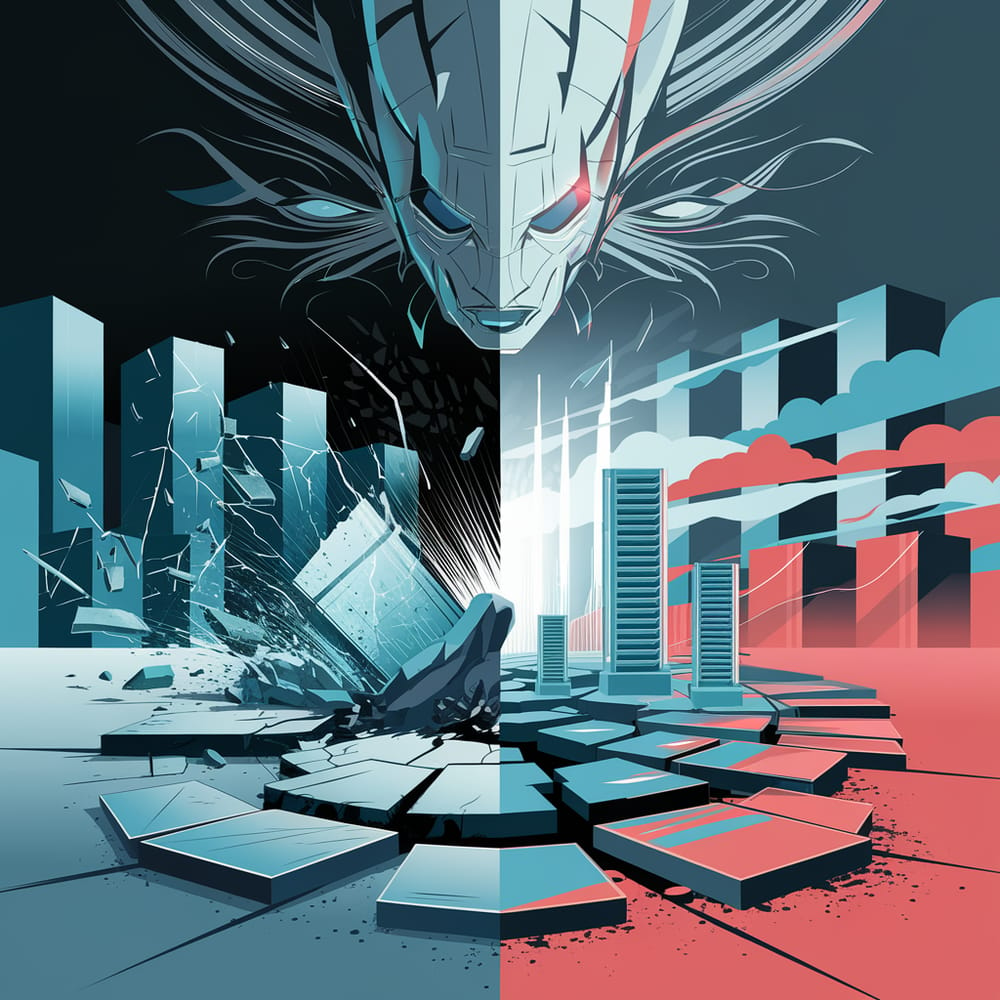
A Sudden Sell-Off Shakes the Software Trade
Software stocks have been hit hard as fears around artificial intelligence triggered a broad and fast-moving sell-off. New AI tools capable of handling complex professional tasks spooked investors, raising concerns that traditional software products could be undercut faster than expected. The result was a sharp repricing across software and data companies that had once been seen as long-term compounders.
Why AI Suddenly Feels Like a Threat
The anxiety centers on whether AI can replace functions that software firms charge premium prices for today. From research and analytics to customer management and workflow automation, investors worry that AI-driven tools could compress margins and weaken pricing power. That fear has turned AI from a growth narrative into a disruption story almost overnight.
Industry Leaders Push Back
Inside the tech world, the reaction is far less dramatic. Many executives argue that AI won’t replace enterprise software so much as deepen its value, acting as a layer that enhances existing systems rather than wiping them out. Large organizations, they note, are deeply embedded in software ecosystems built over decades, making wholesale replacement unrealistic.
Markets Are Sorting Winners From Losers
Still, the sell-off reflects more than emotion. Investors are beginning to distinguish between software firms that control mission-critical workflows and those whose products are easier to replicate or automate. Companies with deep data, sticky customers, and core infrastructure roles are being treated very differently from those offering more interchangeable tools.
Panic or Reset? The Answer Isn’t Clear Yet
Whether this move proves to be an overreaction or the start of a longer adjustment remains an open question. What’s clear is that software stocks no longer get a free pass on valuation or growth assumptions. The AI era isn’t ending the sector — but it is forcing a reckoning over who can adapt, who can defend margins, and who may be left behind.
© Copyright 2024. All Rights Reserved.
© Copyright 2024. All Rights Reserved.