

AI Fears and Tariff Chaos Knock U.S. Stocks Off Balance
Tuesday, February 24, 2026
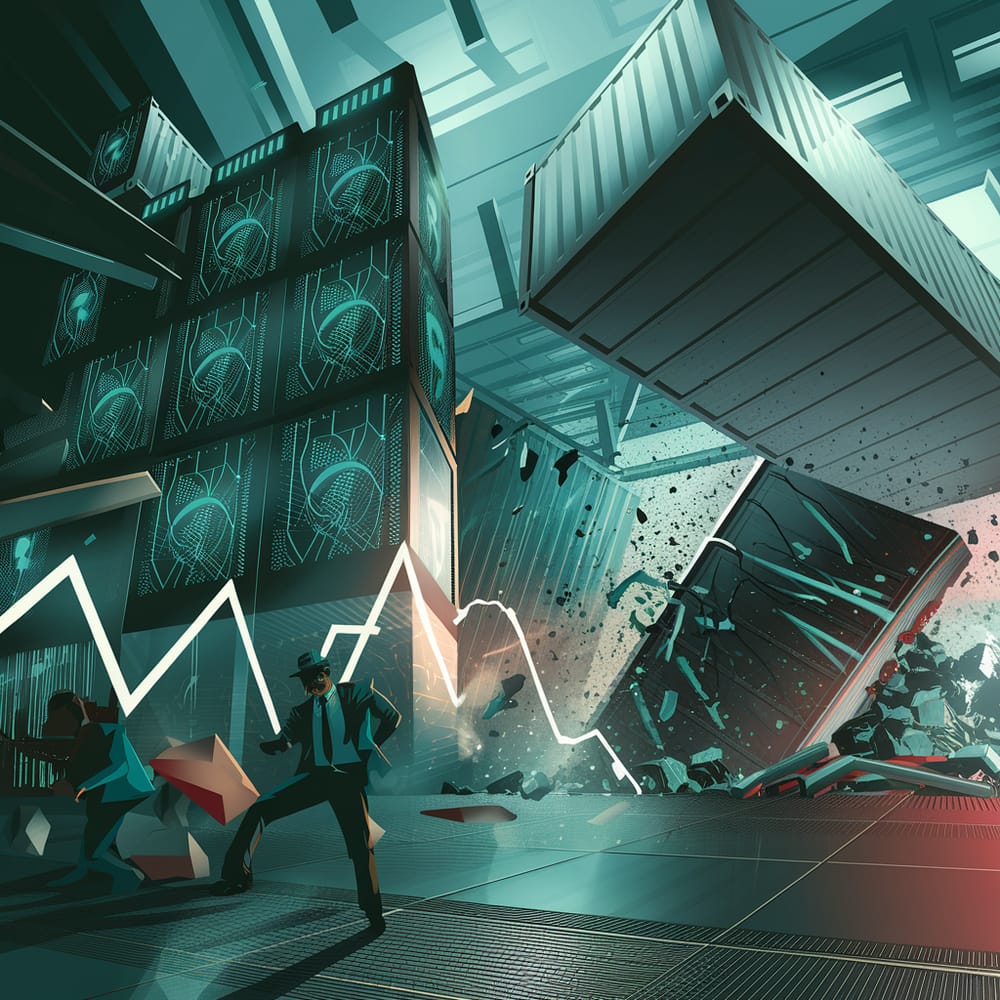
Cybersecurity No Longer Feels Safe
Wall Street’s latest sell-off started in an unlikely place: cybersecurity. After a new artificial intelligence tool was unveiled that can scan code for vulnerabilities and suggest fixes, investors suddenly questioned how defensible traditional security models really are. Shares of CrowdStrike, Palo Alto Networks, and Cloudflare fell sharply, while IBM plunged more than thirteen percent, dragging the Dow lower due to its heavy weighting in the index.
Tariff Confusion Adds Fuel
At the same time, trade policy whiplash rattled confidence. A Supreme Court ruling invalidated key tariffs, only for fresh global duties to be floated soon after. The European Union put trade talks with the U.S. “on hold,” and investors were left trying to price in a moving target. Markets dislike uncertainty, and right now tariff policy looks anything but settled.
Major Indexes Turn Red Again
The S&P 500 dropped just over one percent, sliding back into negative territory for the year. The Dow fell more than one and a half percent, hit hard by IBM’s outsized decline, while the Nasdaq shed more than one percent. Across the Atlantic, European stocks also slipped, reflecting how quickly U.S. policy noise spills into global markets. Bitcoin dipped below sixty-five thousand dollars as risk appetite cooled.
Oil Pulls Back as Iran Talks Continue
Energy markets added another twist. Brent crude retreated from a six-month high after news that U.S.–Iran talks would continue, easing immediate supply fears. That pullback trimmed some geopolitical risk premium, but didn’t do much to calm equity markets already grappling with tech disruption and tariff confusion.
Buy the Dip — or Brace for More Volatility?
Despite the sharp moves, some strategists argue the reaction may be overdone, particularly in cybersecurity. But with AI disruption accelerating and trade policy shifting by the week, volatility looks more like a feature than a bug. For now, investors are being forced to reassess what’s truly defensible — and that recalibration is proving anything but smooth.
© Copyright 2024. All Rights Reserved.
© Copyright 2024. All Rights Reserved.