

A Hawkish Cut, a Quiet Money Hose, and a Fed That Can’t Agree
Thursday, December 11, 2025
Cut Delivered, Caution Attached
The Federal Reserve did what Wall Street expected and snipped interest rates by a quarter point. But if you were hoping for a warm, fuzzy “we’ve got your back” moment, this wasn’t it. The move came wrapped in stern language about keeping a “high bar” for any more easing. Markets, though, shrugged off the tough talk and celebrated anyway: stocks climbed and Treasury yields slipped, like traders heard “caution” and translated it as “carry on.”
Three Loud “No” Votes and a Split Personality Fed
On the surface, a 9–3 vote looks solid. Inside the Fed, three dissents is basically a family argument at the dinner table. One official wanted a bigger cut of half a point. Two others didn’t want to cut at all and preferred to stay put. Add in several “soft dissents” — officials who said they wouldn’t have supported the move if they’d had a vote — and you get the picture: the central bank went ahead with easing, but a big chunk of the room is already wondering if they’ve gone far enough… or too far.
The Dot Plot: Fewer Cuts Than Markets Want
The Fed’s famous dot plot — each policymaker’s forecast for where rates go next — barely budged. The median view still shows just one more cut in 2026 and another in 2027, before settling around what they see as a neutral level near 3%. Translation: the Fed is not penciling in some grand pivot to dirt-cheap money. Futures traders, however, are a bit more hopeful and still see a decent chance of two cuts next year. The Fed and the market are staring at the same data and sketching slightly different stories.
Surprise Twist: Bill Buying Is Back
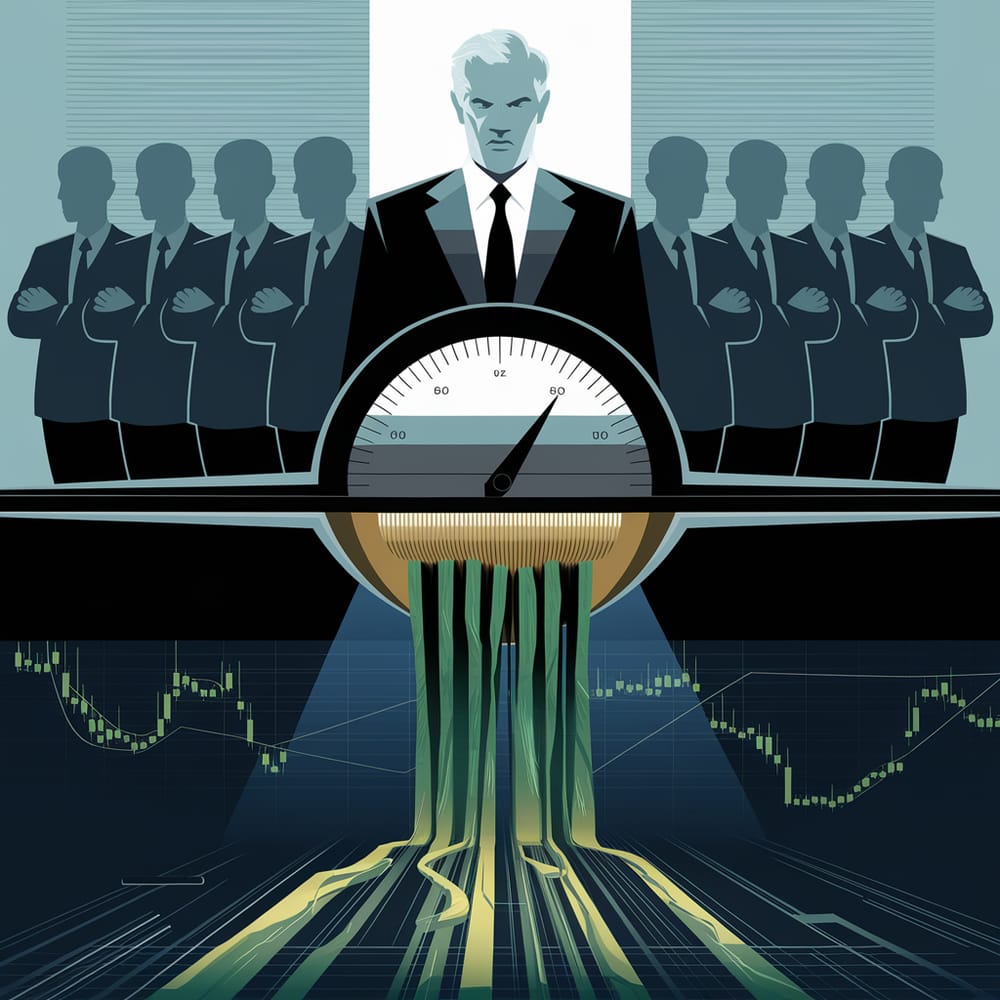
Then came the plot twist that got risk assets smiling. Alongside the rate decision, the Fed announced it will start buying $40 billion of short-term Treasury bills as part of a new monthly program. Officially, this is about smoothing out stress in overnight funding markets and keeping the policy rate within its target range. Unofficially, plenty of traders see it as stealth easing — a way of quietly adding liquidity without slapping the “QE” label on it. Tough talk in the statement, softer action in the plumbing.
Powell’s Message: The Economy Is “Extraordinary”
Despite the internal split, the Fed’s boss sounded strikingly upbeat. Jerome Powell called the U.S. economy “extraordinary” and highlighted stronger growth than officials expected earlier in the year. Their forecast for 2026 GDP was bumped up by half a percentage point to 2.3%, hardly a doom-and-gloom outlook. It’s a strange balancing act: cutting rates to provide insurance while also insisting the patient is in excellent health.
Why the Guidance Feels Murky
Outside observers are reading the whole package as: “Don’t expect much more guidance from us for a while.” With economic data delayed by the recent shutdown and a new Fed chair arriving early in 2026, the current playbook has a short shelf life. Some money managers think that means the central bank will sit tight for the next few meetings unless the labor market softens noticeably. Others suspect the next leadership team could end up cutting more than this dot plot is willing to admit.
What It All Means for the Months Ahead
Put it together, and you’ve got a Fed that cut rates, argued about it, promised not to overdo it, quietly turned the liquidity taps back on, and then told everyone the economy looks great. For markets, that’s a cocktail of caution on the surface and support underneath — exactly the kind of tension that can keep rallies alive, as long as the data doesn’t deliver any nasty surprises.
© Copyright 2024. All Rights Reserved.
© Copyright 2024. All Rights Reserved.