

Agriculture Futures and Energy Prices
Friday, July 10, 2026
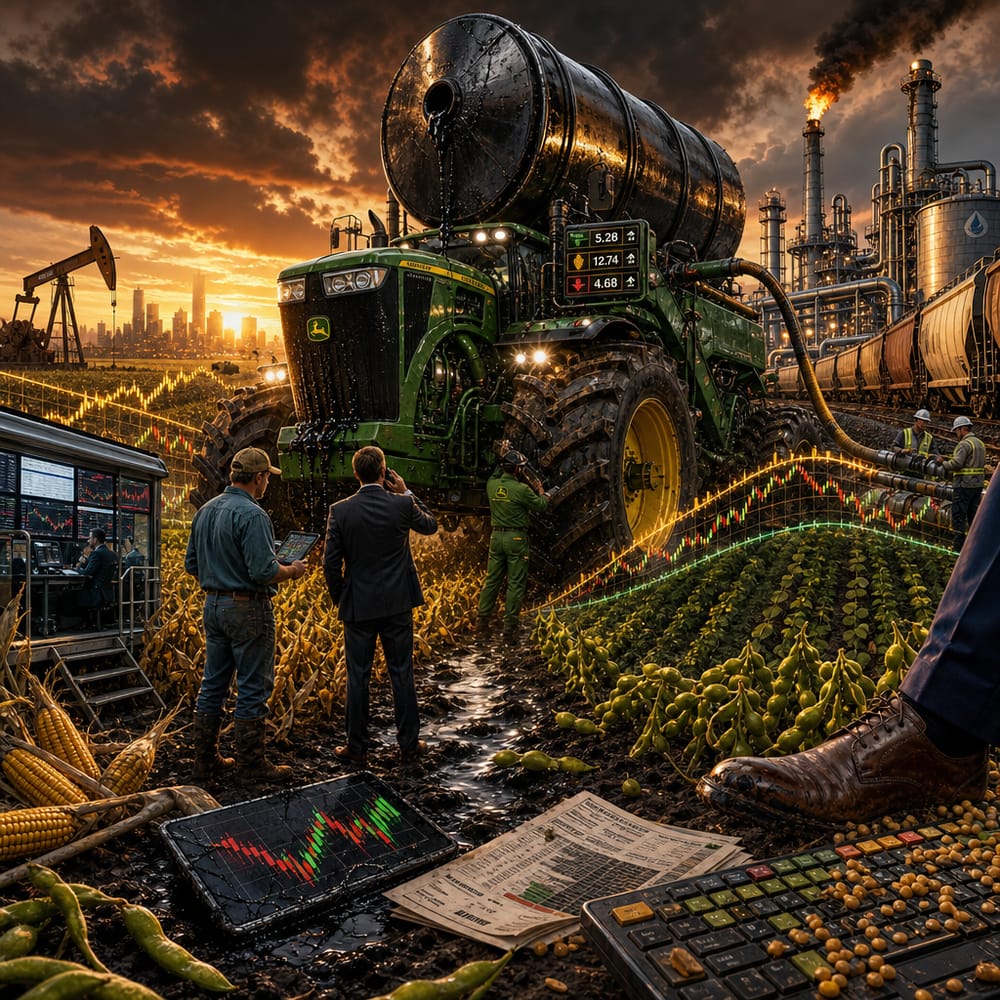
AGRICULTURE FUTURES AND ENERGY PRICES: THE TWISTED LOVE STORY
In the rollercoaster world of agriculture futures, energy prices are the drama queen we didn't see coming. Just as you were getting comfy with your corn and soy futures, along comes energy, shaking up the plot like a surprise villain in a binge-worthy series. So what's the fuss all about? Let’s dive into this twisted tale.
ENERGY PRICES: THE UNEXPECTED STAR
Picture this: oil demand is taking a nosedive, with the International Energy Agency (IEA) forecasting the first annual decline since the COVID-19 chaos of 2020. Blame it on the Iran conflict, with a ceasefire playing harder to get than a ticket to your favorite band’s reunion tour. But here’s the kicker — this isn’t just an oil tale. This plot twist is rewriting the script for agriculture futures and biofuel demand.
When energy prices zig, agriculture markets often zag. Rising energy costs can inflate the expenses of farming production, from fueling tractors to manufacturing fertilizers. You know what that means — farmers start sweating bullets, and market prices for staples like corn and soybeans can skyrocket.
CORN AND SOY: THE DRAMA UNFOLDS
Now, let's take a closer look at our agricultural underdogs: corn and soybeans. These crops aren't just breakfast cereal heroes; they're also major players in biofuel production. As energy prices jump around like a squirrel on espresso, biofuel demand can wobble. If oil prices shoot up, biofuels become more attractive, driving up demand for crops like corn and soy. But when oil prices take a dive, like they are now, biofuels can feel less appealing, leaving corn and soybeans in an awkward dance.
For investors, corn and soy futures have become as exciting as a reality TV finale. When energy prices tumble, the demand for biofuels can take a hit, potentially pushing down the prices of these crops. This domino effect has implications far beyond the fields, as it can influence broader market trends and impact portfolios stuffed with agriculture stocks.
AGRICULTURE STOCKS: A WILD RIDE
So, what does this mean for titans like Deere & Company? When farming costs head north due to fluctuating energy prices, farmers might put off buying shiny new tractors or other equipment, hitting companies like Deere where it hurts. If energy prices remain volatile, agriculture stocks could find themselves on a seesaw, leaving investors clutching their portfolios and crossing their fingers.
But it's not all doom and gloom. Some companies are poised to benefit from these gyrations. Firms that can navigate the tightrope of energy and agriculture markets — think innovative agritech firms or those diving into sustainable energy solutions — might find themselves in a sweet spot.
THE BIG PICTURE: MARKET TRENDS
Beyond the fields of corn and soy, this energy-agriculture dynamic could ripple through markets like a pebble in a pond. As energy prices continue their unpredictable dance, economies reliant on agriculture — and the investors rooting for them — need to keep their wits about them.
Oil's dive could also spur governments to rethink their energy policies, potentially boosting investments in renewable sources. This shift could create new opportunities in the market, rewarding those willing to bet on greener pastures.
THE FINAL SCOOP
In this high-stakes drama of energy prices and agriculture futures, the only constant is change. For investors, staying sharp is key. Keeping an eye on energy market developments and how they affect agriculture can help you make savvy decisions. As for corn and soybeans, they're just trying to make it in this crazy world, one volatile market at a time.
So grab your popcorn, because this financial thriller is far from over. Whether you're a seasoned investor or just dipping your toes, the interplay between energy prices and agriculture futures offers a fascinating plot with plenty of twists and turns. Who knows what tomorrow will bring? But hey, that's what makes it all so intriguing, right?
This article is for informational purposes only and is not investment advice. Always do your own research or consult a licensed financial professional before making investment decisions.
© Copyright 2024. All Rights Reserved.
© Copyright 2024. All Rights Reserved.