

After the AI Push: Are Chip Firms Entering Overcapacity?
Thursday, July 02, 2026
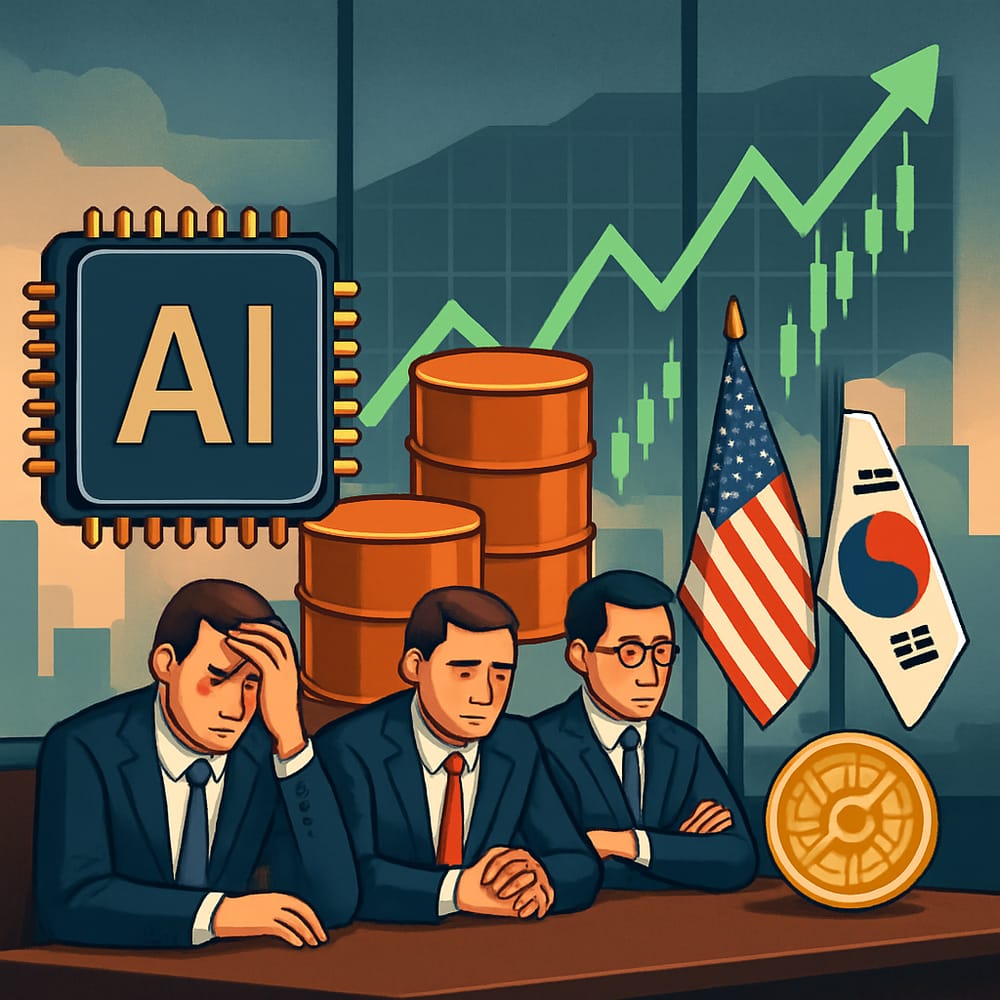
CHIPS, AI, AND OVERCAPACITY: WHEN IS MORE, TOO MUCH?
Buckle up, chip enthusiasts, because the semiconductor roller coaster is taking a sharp turn into the land of overcapacity. Just when you thought AI was the savior riding in on a silicon steed, the chip industry finds itself wondering: have we gone from all-you-can-eat to too much on the plate?
Let's start with the basics. The AI boom had everyone from Intel to Samsung sprinting to the production line, cranking out chips faster than a caffeinated barista pours espressos. The thinking was simple: artificial intelligence would slurp up every chip it could get. But now there's an uncomfortable question echoing through the silicon valleys: have inventories swelled faster than AI can crunch numbers?
Overcapacity is the ghost haunting the semiconductor world. Picture this: warehouses brimming with more chips than a Vegas casino. This isn't just about techies playing with gadgets; it's a profitability punch in the gut. When supply outstrips demand, prices drop, margins shrink, and shareholders start looking at their portfolios like someone just spilled coffee on them.
Enter Moore's Law, the venerable principle predicting that computing power would double roughly every two years while costs shrink. It's been the north star guiding tech for decades, fueling dreams of faster, better, cheaper. But what happens when demand doesn't keep pace with supply? Suddenly, Moore's Law feels more like a nagging reminder that the chip industry might have over-anticipated our AI future.
Take a look at the chip giants in the driver's seat. Intel, Micron, and Samsung are the big names strutting down the silicon catwalk. These companies aren't just selling chips; they're powering the digital age. But with overcapacity looming, the question is: which of these titans is structurally positioned to navigate the storm?
Let's hit pause on the panic button for a moment. Not all chipmakers are created equal, and some have played their cards with finesse. Intel, for instance, has a knack for adapting its extensive portfolio to evolving markets, finding new niches to offload its inventory. Micron, with its focus on memory chips, might find a silver lining in the steady demand for data storage. Meanwhile, Samsung's diversified tech empire could serve as a buffer against the chip sector's whims.
But what about the mid-cap tech players? They're the cool indie bands of the tech world—dynamic, innovative, but often without the safety nets of their big-name peers. These companies are especially vulnerable to the ebb and flow of chip demand. Yet, they also offer intriguing opportunities for investors willing to bet on agility over size.
The truth is, the semiconductor industry is no stranger to boom-and-bust cycles. It's like a high-stakes poker game where everyone's trying to read the digital tea leaves. The current predicament is a classic case of history repeating itself, and seasoned investors know the game isn't over until all the chips are on the table.
As we navigate the semiconductor labyrinth, savvy investors are keeping a close eye on inventory levels and demand trends. They're asking the tough questions: how quickly can AI absorb this glut of chips? Are we on the cusp of another technological leap that will once again shift the balance? And, perhaps most importantly, who's got the strategic prowess to turn potential overcapacity into opportunity?
So, what's the takeaway for you, the everyday retail investor scrolling through your feed, looking for insights amid the white noise? Don't count the chip sector out just yet. The tech landscape is as unpredictable as ever, and today's challenges could be tomorrow's breakthroughs. Keep your eyes peeled for companies that can pivot with the market, scale operations smartly, and leverage innovation to turn adversity into advantage.
In the end, the overcapacity scare is a reminder that the path to technological advancement is rarely linear. It's a winding road dotted with pitfalls and possibilities. For the astute investor, it's about more than just chips; it's about reading between the lines, separating signal from noise, and making informed bets on the future of an industry that's forever evolving. After all, more chips might mean more headaches for now, but it also means more potential for the next big tech leap.
This article is for informational purposes only and is not investment advice. Always do your own research or consult a licensed financial professional before making investment decisions.
© Copyright 2024. All Rights Reserved.
© Copyright 2024. All Rights Reserved.